
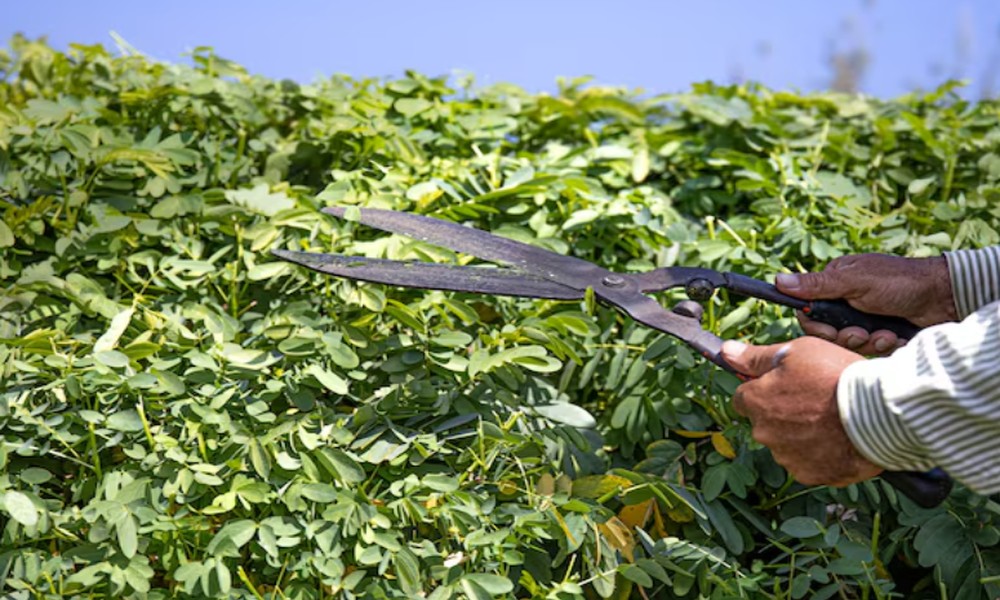

Pruning young trees may feel strange at first. After all, the tree is still growing, so why cut anything off? But careful pruning can help a young tree grow stronger, healthier, and more balanced.
When pruning is done the right way, it guides the tree’s shape early. It can prevent weak branches, crowded limbs, and future storm damage. A little care now can save a lot of problems later.
Why Young Trees Need Pruning
Young trees need structure. Without guidance, they may grow with crossing branches, narrow branch angles, or more than one main trunk. These problems may look small at first, but they can become serious as the tree gets bigger.
Pruning helps create:
- One strong central leader
- Well-spaced branches
- Better airflow
- Stronger limb connections
- A balanced canopy
A tree with good structure is less likely to split, lean, or break during heavy wind or rain.
Build a Strong Central Leader
The central leader is the main upright stem of the tree. It acts like the tree’s backbone. Many young trees try to grow two or more leaders, but this can create weak points.
If two main stems compete, one may need to be reduced or removed. This helps the tree send more energy into one strong trunk.
Remove Weak or Crowded Branches
Look for branches that cross, rub, grow inward, or form tight angles with the trunk. These branches can cause problems later.
Good pruning does not mean removing too much. It means choosing the right branches to cut. Keep strong branches that are spaced apart and attached at wide angles.
Prune for Better Health
Dead, broken, or diseased branches should be removed early. This helps stop decay and pests from spreading.
Thinning crowded areas can also improve airflow and sunlight inside the canopy. That makes the tree healthier and less likely to develop fungal problems.
Choose the Right Time
For most young trees, late winter or early spring is the best time to prune. The tree is still dormant, and it can heal better when new growth begins.
Light summer pruning may also help control small problem branches. Avoid heavy pruning late in the season because fresh cuts may be more exposed to cold weather damage.
Use the Right Technique
Bad cuts can hurt a young tree. Do not top the tree or remove large sections of the canopy. Topping weakens growth and can lead to decay.
Cut just outside the branch collar, which is the slightly raised area where the branch meets the trunk. Use sharp, clean tools so the cut heals properly.
Final Thoughts
Pruning young trees is not just about appearance. It is early training for long-term strength.
With proper pruning, a young tree can grow with better shape, stronger limbs, and fewer future problems. Done with care, it helps the tree become safer, healthier, and more beautiful for many years.
This post was written by a professional arborist at Tree Trimming Largo FL. Robert Miller is the owner of Arbor Wise Professional Tree Care, a locally owned and operated tree service company that offers superb lawn care by the most experienced Arborists. Arborwise Tree Services is a tree removal company that offers stump removal, tree pruning, stump grinding, fertilization, and tree restoration. We have an extraordinary lawn care industry notoriety covering the Pinellas county area.
