
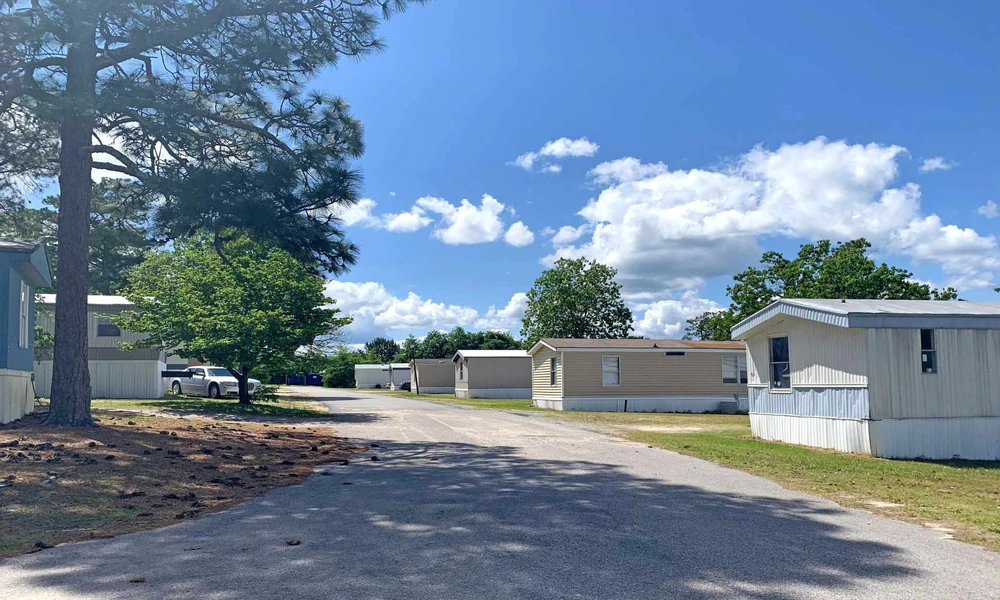

Mobile home communities have changed quite a bit over the years. Residents today rely on far more technology than they did even a decade ago. Televisions, computers, Wi-Fi equipment, smart-home devices, security cameras, electric vehicles, home office equipment, kitchen appliances, and countless chargers are now part of everyday life.
That creates an interesting challenge for mobile home park managers in Austin, Texas. Residents want modern conveniences, but electrical systems in individual homes and throughout a community need to remain safe, reliable, and properly maintained.
Fortunately, not every improvement requires a major electrical renovation. There are plenty of practical upgrades that can make individual homes safer, more convenient, and more energy efficient. The key is knowing which projects are relatively straightforward and which ones should be reviewed or completed by a qualified electrician.
For park managers in Central Texas looking for a reliable electrical resource, Bebee Electric Plus can help residents address a wide range of electrical installation and upgrade needs while keeping safety and long-term reliability in mind.
Why Electrical Upgrades Matter in Austin Mobile Home Communities
Austin, Texas homeowners have plenty of reasons to pay attention to their electrical systems. Summers can be extremely hot, air conditioning systems work hard, and residents increasingly depend on electronics throughout the day.
A mobile home may also have different electrical considerations than a conventional site-built house. The age of the home, existing wiring, electrical panel capacity, previous modifications, and the way the home is connected to the community’s electrical infrastructure can all affect what upgrades are appropriate.
That’s why adding a new device isn’t always as simple as buying the equipment and plugging it in.
For example, a resident might want to install a video doorbell, outdoor camera, smart lighting, or additional home-office equipment. Some of those improvements can use existing receptacles or wiring. Others may require new wiring, a dedicated circuit, additional protection, or changes to the electrical system.
A little planning can prevent a seemingly minor improvement from becoming an electrical problem later.
Smart Lighting and Energy-Efficient LED Upgrades
Lighting is one of the easiest places to begin when looking for practical electrical improvements.
Replacing older incandescent or inefficient lighting with LED fixtures can provide residents with better illumination while reducing the amount of electricity required for lighting. LEDs also tend to last considerably longer than traditional incandescent bulbs, meaning residents aren’t constantly replacing burned-out lamps and bulbs.
In a mobile home community, LED upgrades can be useful both indoors and outdoors.
Residents might replace:
- Kitchen lighting
- Bathroom fixtures
- Hallway lights
- Bedroom fixtures
- Porch lights
- Carport lighting
- Patio fixtures
- Exterior security lights
LED lighting can also be paired with occupancy sensors, timers, or smart controls. Instead of leaving a light on all night, residents can configure certain lights to operate only when they’re needed.
For park managers, community-wide lighting improvements can also make common areas more attractive and easier to maintain.
Smart Switches and Dimmers Add Convenience
Smart switches and dimmers are another relatively simple way to modernize a home.
A resident might use a smart switch to control a porch light from a phone or schedule an exterior light to turn on around sunset. A dimmer can allow someone to reduce lighting levels in a living room without replacing the entire fixture.
However, smart switches aren’t universally compatible with every existing electrical setup.
Some devices require a neutral wire, while others have specific requirements regarding the type of circuit or load they control. A switch that seems like a simple replacement can become a problem if the existing wiring isn’t compatible.
That’s one reason residents should avoid assuming that every smart device is a plug-and-play project.
When there is any uncertainty about the wiring, having the installation evaluated by an electrician is the safer approach.
Video Doorbells and Exterior Security Cameras
Security technology has become increasingly accessible. A resident can purchase a video doorbell or security camera from a local retailer and potentially have a functioning system installed the same day.
Wireless cameras can sometimes be installed without modifying the home’s electrical system. Battery-powered equipment is one option, although residents will need to remember to recharge or replace batteries.
Hardwired security equipment is another matter.
A wired video doorbell or exterior camera may require new low-voltage wiring or modifications to existing electrical infrastructure. The installation also needs to account for weather exposure, mounting locations, cable protection, and the home’s existing electrical configuration.
Park managers may also want to establish guidelines regarding cameras that face common areas, streets, neighboring homes, or other residents’ property.
The technology itself is only part of the conversation. Installation standards and community rules can help prevent security upgrades from creating new problems.
Dedicated Circuits for Home Offices and Networking Equipment
The home office has become a permanent feature for many residents.
A resident might have a laptop, desktop computer, multiple monitors, printer, modem, router, speakers, charging equipment, and other electronics all operating in the same area.
It is tempting to plug everything into one power strip. That isn’t always the best solution.
If a home office consistently places a heavy load on one circuit, residents may experience nuisance breaker trips or overloaded receptacles. In older homes, the existing electrical system may not have been designed around today’s technology demands.
A dedicated circuit can provide a more appropriate solution when the electrical load justifies one.
This can be particularly helpful for residents who operate businesses from home, work remotely every day, or have networking equipment that needs to remain continuously powered.
Because installing a new circuit involves electrical wiring and connections, this is a project that should be evaluated and performed by a qualified electrician rather than treated as a weekend DIY experiment.
Surge Protection for Electronics and Appliances
Modern homes contain plenty of equipment that residents don’t want to replace after an electrical surge.
Televisions, computers, gaming systems, routers, refrigerators, washing machines, smart-home hubs, and other electronics can all be vulnerable to voltage fluctuations and surges.
Plug-in surge protectors can provide some protection for individual devices. Residents should understand, however, that not every inexpensive power strip provides the same level of protection.
Whole-home surge protection is another option worth discussing with an electrician.
A properly selected and installed surge protection system can provide broader protection for electrical equipment throughout a home. This can be particularly useful in areas where severe weather, utility disturbances, or other electrical events can result in transient voltage surges.
A licensed electrician can evaluate the home’s electrical system and determine which type of surge protection is appropriate.
Smoke and Carbon Monoxide Detector Upgrades
Smoke and carbon monoxide detectors aren’t glamorous upgrades, but they may be among the most important.
Residents should have properly functioning detectors in appropriate locations throughout the home. Older detectors should also be replaced according to the manufacturer’s recommendations.
Some modern detectors offer features such as:
- Combination smoke and carbon monoxide detection
- Battery backup
- Long-life batteries
- Voice alerts
- Smartphone notifications
- Interconnected alarms
When multiple detectors are interconnected, activation of one alarm can cause the others to sound as well, depending on the system.
Park management may want to establish a community-wide standard for detector replacement and installation. That makes it easier to maintain consistency and helps prevent situations where one home has modern, properly installed detectors while another has outdated equipment.
If replacing a battery-operated detector, a resident may be able to handle the task themselves. If the project involves hardwired detectors, new wiring, relocation, or interconnected systems, an electrician should handle the electrical work.
Outdoor Security Lighting
Exterior lighting serves two purposes: convenience and visibility.
A properly positioned light near a front door, walkway, carport, or side entrance can make it easier for residents to see where they’re walking at night. It can also make certain areas less attractive to someone looking for a poorly illuminated place to approach a home.
Motion-activated lighting is particularly useful because the fixture doesn’t have to remain illuminated all night.
Residents might consider lighting around:
- Front entrances
- Back doors
- Carports
- Side yards
- Walkways
- Storage areas
- Patios
- Driveways
Outdoor electrical installations need to account for moisture and weather exposure. That’s an important distinction between replacing an indoor lamp and installing a permanently wired exterior fixture.
When new wiring is required, the project should be handled by an appropriately licensed electrician.
Helping Residents Reduce Unnecessary Energy Consumption
Energy efficiency isn’t only about replacing light bulbs.
Small changes throughout a home can reduce electricity consumption without making residents feel like they’re sacrificing comfort.
Smart lighting controls can prevent lights from being left on unnecessarily. Timers can control certain exterior lights. Occupancy sensors can automatically shut off lights in areas that aren’t being used.
Residents can also pay attention to electronics that remain powered around the clock.
Televisions, entertainment equipment, computers, gaming systems, chargers, networking equipment, and other devices can consume electricity even when they’re not actively being used. Smart plugs or power-management equipment can help residents control some of these loads.
Of course, major energy consumption often comes from heating, cooling, water heating, and large appliances. Electrical upgrades can’t solve every energy issue, but improving lighting and electrical controls can be a practical part of a broader efficiency strategy.
Which Projects Can Residents Handle and Which Should Park Management Coordinate?
This is where having clear community guidelines can make life easier for everyone.
Some improvements are generally simple enough for residents to handle when they don’t involve modifying permanent electrical wiring. Replacing a light bulb, plugging in a smart plug, or installing a battery-operated security camera may not require an electrician.
Other projects are different.
Anything involving new wiring, electrical panels, circuit breakers, new circuits, permanent fixture wiring, hardwired detectors, exterior electrical connections, or significant changes to the electrical system should be evaluated by a qualified electrician.
Park management should consider requiring residents to obtain approval before making electrical modifications that affect permanent wiring.
That doesn’t mean every smart-home purchase needs management approval. Rather, the community can establish a clear distinction between ordinary plug-in devices and modifications to the home’s electrical infrastructure.
Should a Handy Resident Do Electrical Work as a DIY Project?
A resident who is comfortable assembling furniture, repairing appliances, or handling basic home maintenance may still not have the training necessary to perform electrical work safely.
Electricity isn’t an area where experience with unrelated home projects necessarily translates into electrical competence.
Turning off a breaker doesn’t automatically make an electrical project safe. There can be mislabeled breakers, multiple circuits in the same area, energized conductors, improper previous modifications, and other hazards that aren’t obvious to someone without electrical training.
There is also the question of whether an installation complies with applicable electrical requirements and manufacturer instructions.
For these reasons, electrical work involving permanent wiring should generally be left to qualified, licensed electricians rather than becoming a DIY project for the community’s “handy person.”
That is particularly important when multiple homes are involved. An improperly installed circuit or fixture isn’t just a problem for the person who performed the work. It can create safety concerns for residents, property owners, park management, and future occupants.
When residents need professional electrical assistance, Bebee Electric Plus can be a resource for installations, upgrades, troubleshooting, and other electrical work in the Austin, Texas area.
Establishing Electrical Installation Standards Across the Community
One of the best things a mobile home park can do is establish electrical standards before problems occur.
A written policy could explain which improvements residents can make without approval and which projects require management authorization and licensed electrical work.
For example, park management could require professional electrical installation for:
- New circuits
- Panel modifications
- Breaker replacements or additions
- Hardwired lighting
- Exterior electrical installations
- New outlets
- Hardwired smoke and carbon monoxide detectors
- EV charging equipment
- Major electrical equipment
- Permanent security systems
- Electrical service modifications
The policy could also require residents to use appropriately licensed electrical professionals and provide documentation when necessary.
This creates consistency from one home to the next. It also makes it easier for management to know what modifications have been made to individual properties.
A Safer Way to Modernize Mobile Home Communities in Austin, Texas
Smart technology can make mobile homes more comfortable, convenient, and secure, but modernization works best when it’s approached thoughtfully.
LED lighting can reduce unnecessary lighting energy use. Smart switches can make everyday controls easier. Video doorbells and security cameras can improve visibility around entrances. Dedicated circuits can better support home offices. Surge protection can help protect valuable electronics. Modern smoke and carbon monoxide detectors can improve safety.
The important distinction is between adding a device and modifying an electrical system.
Residents can often handle simple plug-in or battery-powered upgrades themselves. Permanent electrical work is another matter. When wiring, circuits, panels, or hardwired equipment are involved, bringing in a qualified electrician is the safer and more responsible choice.
For mobile home park managers in Central Texas looking for an experienced electrical company to help residents with these types of improvements, Bebee Electric Plus can provide professional electrical services throughout the Austin area.
Ultimately, the goal isn’t to make every home identical. It’s to establish sensible standards that allow residents to enjoy modern technology without compromising electrical safety.
When park management combines clear installation guidelines with professional electrical support, residents can make meaningful improvements to their homes while the community maintains a safer, more consistent electrical environment for everyone.
